

Blog
How Much Water Should I Drink a Day?

It can lead to serious (even life-threatening) problems. Endurance athletes, like unimeal reviews marathon runners, are at risk for this condition. Your recommended water intake includes all sources — drinking water, other beverages, and food. But be careful — certain fluids have their drawbacks. Drinking sports drinks (electrolyte drinks), 100% fruit juice or coconut water in moderation can also help prevent water intoxication, especially if you’re sweating a lot. Water performs essential functions, from regulating body temperature to aiding digestion and circulation.
What are the signs of dehydration?
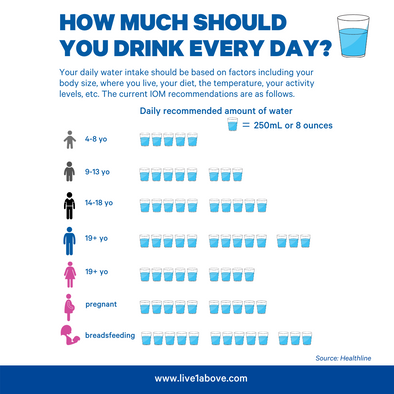
This can increase the chance that chemicals get in the water. Food and Drug Administration (FDA), this amount of chemicals is too small to cause health problems, but it can add up. Water needs also depend on your age and overall health status—and they can change from day to day.
Does Your Food Contain Antibiotics? What to Know (
- Caffeine can have a mild diuretic effect, but moderate intake doesn’t significantly dehydrate most people.
- Water helps regulate body temperature, transport nutrients, and keep muscles functioning properly.
- Drinking enough water every day is important for your health as it keeps your body functioning properly and can prevent health problems.
- When you account for food, the beverage targets work out to around 13 cups for men and 9 cups for women.
- Individuals participating in long stretches of physical activity, such as marathons, often need to replace both water and sodium losses.
- Food and Drug Administration (FDA), this amount of chemicals is too small to cause health problems, but it can add up.
This article discusses the importance of drinking water, how much water to drink and the benefits of staying hydrated. Understanding the value of staying hydrated helps you make wise choices about drinking water for optimal health. You’ve probably heard that you need at least 6-8 cups (48-64 oz) of water every day to stay hydrated, which is true in general for most people. However, water needs vary depending on the individual as well as certain other factors. If your fitness level is high or your job is physically demanding, for example, you need to consume more than the average recommendation of 6-8 cups per day. (This just shouldn’t be the only thing you drink.) “Coconut water is an acquired taste, but it can help when you put a hard workout in and are feeling depleted,” he said.
The Dangers of Dehydration
Back in the day, the standard rule of thumb was eight 8-oz glasses of water per day. However, how can a nutrient so important be recommended in such a standardized quantity? Surely, water needs vary among different individuals, depending on age, biological sex, body weight, activity level, where they live, diet choices, etc1.
Among US adults, plain water intake was significantly lower in:
Water accounts for about 60% of an adult’s body weight. We drink fluids when we feel thirst, the major signal alerting us when our body runs low on water. We also customarily drink beverages with meals to help with digestion. But sometimes we drink not based on these factors but on how much we think we should be drinking. One of the most familiar sayings is to aim for “8 glasses a day,” but this may not be appropriate for every person. Although this is not as common, athletes and individuals with certain medical conditions may be at higher risk for overhydration.
How Much Water Do You Need Each Day?
Water is one of the most important parts of any child’s diet. It is essential in keeping bowel movements regular and helping to prevent conditions such as urinary tract infections and kidney stones. Often, cases of water intoxication result from drinking too much water after exercise or competing in water drinking competitions. Babies under 6 months shouldn’t be given plain water.
But paying close attention to what lands in the toilet bowl and making adjustments based on that can go a long way toward making sure you’re well-hydrated. Heat and humidity increase sweat losses even when you’re not exercising. If you’ve ever stepped outside on a muggy summer day and immediately felt damp, you understand how quickly your body tries to cool itself.
Primary Care Guiding Two Generations
Or, use the Academy’s Find a Nutrition Expert tool to locate an RDN in your area. It plays a role in keeping all of your body systems working well. Staying well hydrated can help reduce your risk of developing kidney stones, urinary tract infections and constipation.
We need more water as we grow older, since our ability to regulate fluid and detect thirst declines with age. You may lose significant water through exercise, sweating because of environmental heat, or even time spent in a sauna or hot tub. If so, your water needs will be higher than someone who doesn’t exercise. Our Find a Provider tool makes it easy to search Cleveland Clinic’s trusted network. Drinking more than the average amount is OK if you exercise a lot or live in a warm climate or at a higher elevation.
Tips for meeting daily water intake goals:
If you’re dehydrated, the skin will stay raised for a few seconds. If it quickly returns to normal, you’re probably okay. What do you consider the appropriate amount of water to drink every day? Again, certain foods can help with hydration, too, like cucumbers, watermelon, asparagus, celery, strawberries, and zucchini. Water is also required for your body to move nutrients around and to flush out waste, Brissette said.
Part of this effect comes from simple appetite management. Water takes up space in your stomach, and drinking a glass before meals can help you feel fuller faster. Pregnancy and breastfeeding increase fluid needs significantly.
I like to take a more personalized approach to making water consumption recommendations for my clients. By calculating 1 mL of water for every calorie consumed, I am able to make a specific recommendation to my clients, based on their own personal attributes. Some individuals, such as marathon runners, require a much higher intake of water.
What is the Fairways for Days water bottle?
But how much water should you actually drink every day? You may have heard of the «8 glasses a day» rule — and while this might be right for some, the truth is there’s no one-size-fits-all answer. “Staying hydrated starts with knowing your body’s specific needs,” says Alex Germano, MD, a Geisinger family medicine physician.
Adults
That mightsound like a lot of water, but fruits and vegetables, and other foods counttoward your water intake as well. In fact, the food you eat every day providesabout 20% of your recommended daily water consumption. Other drinks — fruitjuices, milk, and even caffeinated beverages like coffee — also contain water. Determining the appropriate amount of water to consume can be challenging.
You may be able to meet your water intake goal by drinking when you’re thirsty and with your meals. The Institute of Medicine (IOM) looked at survey data to find out about the /reviews/unimeal.com average daily water intake of people in America. Based on this data, they published recommendations that they called adequate intakes (AIs) in a 2005 study. Keeping tabs on how much water you drink in a day can help you stay on track. But Dr. Adkins pointed out that it’s best to listen to your body.

